Category: Uncategorized

  • Performance Studies international # 30

    Performance Studies international # 30

    Conference Theme: XXX – Cruzo, Cruising, Crossroads

    11 to 15 December 2025

    Different senses of crossing animate PSi#30. First as a written mark, the three Xs of the Roman numeral that represent “30” here cast the reading into a polysemic realm of competing/collaborating linguistic and cultural forces: secrecy, mystery, incognito, redaction, overwriting, an algebraic variable, an unknown value, non-binary gender, refusal, aphasia, disorder, error, intersectional pathways, intersecting diagonals, proliferating angles, multiplication, lack, blocked, out, hardcore sex, danger, a sacral point, a “something”, a “thing”, the unspecified, a target, a treasure, the vote, the kiss.

    The undecidability of the x-thing is held onto here as a sign of complexity, not imprecision. It imparts a critical quality of inconclusiveness that bespeaks the diversified and often conflicting modes of reception and mobilization of Performance Studies in Latin America. For some, another colonizing trend from the academic elite; for others a fresh, rebellious framework enabling the torsion of academic coloniality. From the standpoint of the crossroad, which this conference intends to embrace, the vibrating energy produced by the paradox is way more fertile than the attempt to settle for a conclusion.

  • PSi 2023: Uhambo Luyazilawula – Embodied Wandering Practices

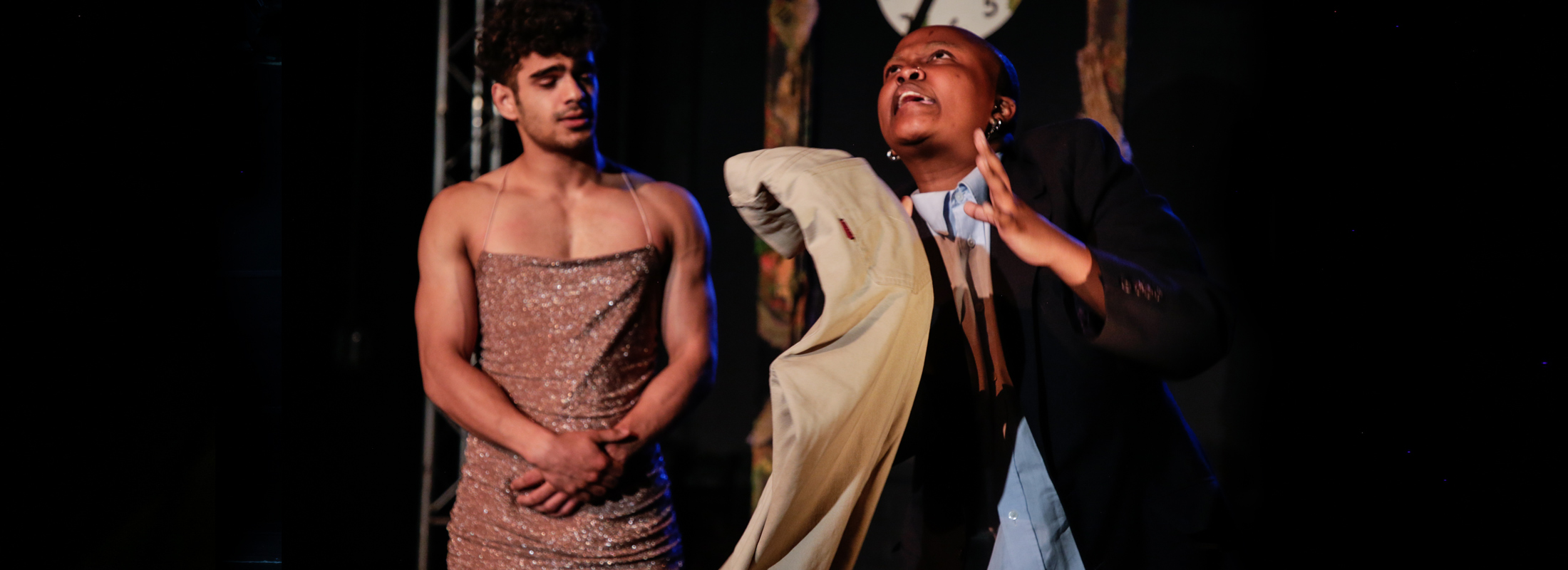
    PSi 2023: Uhambo Luyazilawula – Embodied Wandering Practices

    Internationally acclaimed arts and research association, Performance Studies international (PSi), in partnership with the Wits Theatre and Performance and Drama for Life departments, are hosting the first Performance Studies Conference in Africa in August 2023. 

    The conference is grounded through Uhambo, an IsiZulu word that translates to ‘a journey’. As such, the conference theme follows the phrase uhambo luyazilawula, which loosely translates to ‘a journey controls itself.’ Thus, through a recognition of mobility, journeying, movement and migration, the conference positions itself as the springboard from which contemporary creative research and scholarship about Performance Studies can be produced about Africans and by Africans. 

    The conference, which will host traditional presentations of academic papers and panel discussions, also seeks to prioritise creative research and arts-based practices as legitimate means of knowledge production on Performance Studies methodologies in Africa, centering Wits School of Arts and Johannesburg as the creative hub of embodied epistemologies in this interdisciplinary field.

    The conference, in both its theme and structure, intends to apply the embodied practice of traveling, of moving, and of journeying – between spaces, places, and locations. The wandering nature of the conference thus manifests the practice of ‘ukuhamba’ through collaborative partnerships with other creative and cultural venues in Johannesburg, both onsite and online. The aim of positioning the conference as a moving, blended conference is to embrace the practice of mapping people, spaces and cultures that are located in the various places and venues. This opens the conference up to an embodied practice of wandering that does not confine and lock cultural, creative and pedagogical exchanges to one space.

  • PSi #29: Assemble

    PSi #29: Assemble

    Performance Studies international are delighted to announce the Call for Proposals for PSi #29, which will be hosted by The Royal Central School of Speech and Drama in Collaboration with LIFT (the London International Theatre Festival) on 20-23 June 2024.

    This hybrid conference focuses on the main theme of Assemble. To assemble has multiple meanings: to gather in one place for a common purpose or to put together the parts of something. Resonant with infrastructures, politics and processes of assemblage, the conference invites and foregrounds practice research, creative critical interventions, processes of making and their antithesis, un-making. In response to the COVID-19 pandemic, the climate crisis and global struggles for justice and recognition, we have to reconsider how to assemble, how to come together, to build, to imagine, to co-create in hostile conditions, and, conversely, what we need to disassemble, to take apart, to dismantle, to decenter, to unlearn.